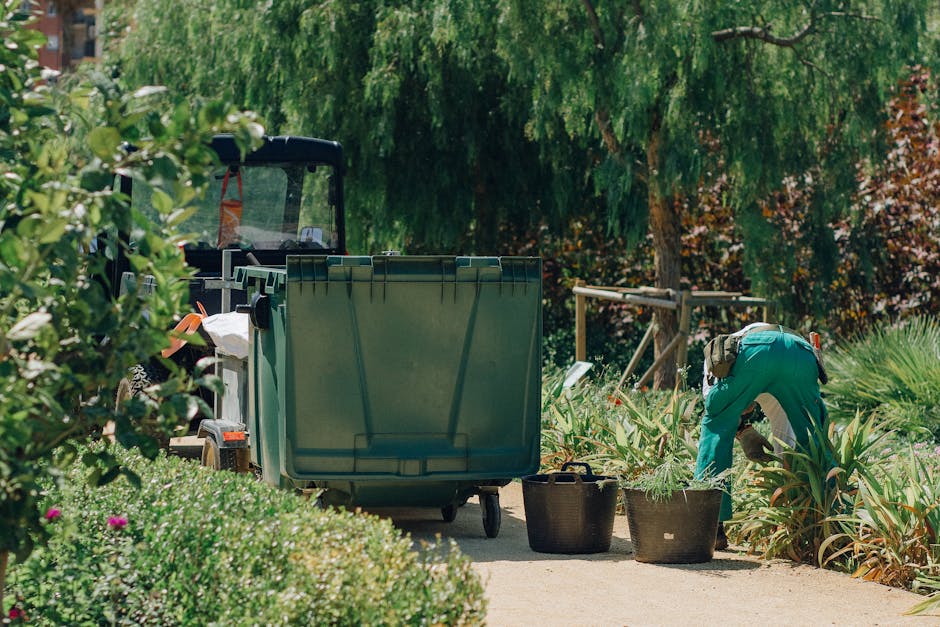
Wandsworth Council permits for commercial garden services: what businesses need to know
If you run a gardening business in Wandsworth, permits can be one of those unglamorous details that quietly decide whether a job goes smoothly or becomes a headache. Wandsworth Council permits for commercial garden services may be relevant when you are parking near a client's property, placing equipment on the highway, managing waste, or planning work that affects public space. That sounds dry, but in practice it can shape your schedule, your costs, and the way customers experience your service.
Let's face it: most clients care about tidy borders, trimmed hedges, and a lawn that looks properly finished. But behind the scenes, you still need to think about access, compliance, safety, and whether your crew can work without upsetting neighbours or running into council enforcement issues. This guide breaks the topic down in plain English, with practical steps, sensible cautions, and a few real-world pointers from a working-business point of view.
Expert summary: if your commercial garden work in Wandsworth involves parking, skips, loading, obstruction, green waste, tree work, or repeated visits to the same street, check whether a permit, licence, or notification is needed before the first cut is made. It is much easier to sort things out early than to deal with a complaint later.
Why Wandsworth Council permits for commercial garden services matters
Commercial garden services do not always happen in a neat, private bubble. A lot of the work spills into shared space: vans on the street, wheelbarrows on pavements, bags of soil near kerbs, tree branches stacked for removal, or a crew needing safe access through a narrow frontage. In Wandsworth, that can bring council rules into the picture.
The main reason this matters is simple: even a well-run job can be interrupted if the practical side has not been thought through. A permit issue can delay the start time, create extra charges, or put you in a difficult position with the client. Worse, if something goes wrong, it can affect your reputation. One awkward neighbour complaint can travel faster than you'd like.
For commercial gardeners, permits are not just about paperwork. They are part of working professionally in a busy London borough where roads are tight, parking is limited, and residents understandably care about noise, mess, and obstruction. If you are doing regular maintenance, a one-off clearance, landscaping, or tree-related work, the permit question should be part of the job planning, not an afterthought.
This also helps with trust. Clients tend to notice when a contractor looks organised. A team that turns up with a clear plan, proper equipment, and a sensible approach to council requirements feels more reliable. And in a competitive local market, reliability is worth more than people sometimes admit.
If your service offering includes broader grounds work, it can be useful to review your operational pages too, such as the services overview, ongoing garden maintenance, and garden clearance, because the permit needs may differ depending on the type of job.
How Wandsworth Council permits for commercial garden services works
There is no single "garden permit" that covers every situation. In reality, commercial garden services may involve several different permissions or checks depending on the work you are doing. Some jobs may need nothing more than sensible planning. Others may require a parking arrangement, a highway permission, waste control, or a formal notification if trees or protected features are involved.
The easiest way to think about it is in layers. First, identify what the work physically touches. Is your team staying entirely inside private property, or will they use the street, pavement, verge, or access road? Second, consider what equipment is being used. Are you bringing in a van, a chipper, a skip, a loader, or elevated access equipment? Third, think about the risk to the public. Any obstruction, noise, debris, or falling material can change the level of care needed.
Commercial jobs often trigger permit questions in these situations:
- parking a work van or trailer on a restricted road
- placing a skip, bagged waste, or materials on the highway
- temporary obstruction of the pavement or street frontage
- tree work or large-scale pruning that affects public safety
- repeat visits to the same property or estate with access constraints
- loading and unloading where no off-street space is available
It is also worth separating council permits from other obligations. A council permission is not the same as insurance, and neither is the same as a health and safety check. You may need all three to be in order at once. That is normal, not unusual.
For some projects, the best move is to pair permit planning with an organised service structure. Many businesses use lawn mowing or hedge trimming as regular low-risk work, while larger schemes involving spoil removal or access disruption may need a more detailed setup. If the job involves trees, the stakes can rise quickly, which is where tree lopping and removal becomes relevant.
Key benefits and practical advantages
Getting the permit side right does more than keep you compliant. It makes the business run better. That sounds obvious, but in the real world many problems start with rushed assumptions and end with avoidable costs.
Here are the main benefits:
- Fewer delays: you can schedule crews, vehicles, and materials with less guesswork.
- Better customer confidence: clients see that you run an organised operation.
- Reduced enforcement risk: you are less likely to face complaints or penalties linked to obstruction or misuse of public space.
- Cleaner job flow: waste removal, access, and loading become part of the plan rather than a last-minute scramble.
- Safer working conditions: the team is less likely to make rushed decisions in tight spaces.
- More accurate quotes: if permits or access constraints add time and complexity, your pricing can reflect that properly.
There is also a softer benefit: fewer surprises. A job that begins with "we'll just park here and see what happens" often ends with stress. A job that begins with a realistic plan tends to feel calmer, even on a damp Tuesday morning when the wheelbarrow is heavier than expected and the hedge clippings keep sticking to everything.
From a commercial point of view, permit awareness also makes it easier to build repeat business. A property manager or business owner wants contractors who can handle the practical stuff without constant chasing. That is especially true if your services include landscaping, landscape gardening, or more involved outdoor projects where access and materials need careful coordination.
Who this is for and when it makes sense
This topic matters to any commercial garden service working in or around Wandsworth, but some businesses will feel the impact more than others. If your work is mainly inside private gardens with easy access and no waste removal beyond a small amount of green waste, permit needs may be limited. If you operate in tight streets, near controlled parking zones, or on sites with restricted access, the picture changes fast.
You are most likely to need to think about permits if you are:
- a sole trader offering regular garden maintenance to domestic or commercial clients
- a landscaping firm installing new features, paths, beds, or decking
- a clearance team removing heavy volumes of organic waste
- a tree surgery or high-pruning contractor
- a facilities or grounds maintenance provider managing multiple sites
- a contractor working on managed estates, office courtyards, schools, or hospitality premises
It also makes sense if you are a client hiring someone else. You may not be the one applying for the permit, but you still benefit from asking the right questions. Who is responsible for access? Is the van allowed to wait nearby? Will a skip be required? Will the work create noise at a sensitive time? These are the small things that decide whether the day feels smooth or messy.
A practical example: a contractor arrives to clear a front garden, only to discover there is nowhere legal to stop a van close by. Ten minutes become twenty, then thirty. The crew starts carrying bags further than expected. The whole job slows. None of this is dramatic, but it all adds up. This is exactly why the permit question is worth asking before the first spade goes in.
Step-by-step guidance
If you are planning commercial garden work in Wandsworth, a simple process can keep things under control. You do not need to overcomplicate it. You just need to be methodical.
- Define the job clearly. Is it maintenance, clearance, tree work, landscaping, or installation? The type of work affects the likely permit needs.
- Map the site access. Check where vehicles can stop, where equipment will be unloaded, and whether public space will be affected.
- Identify any waste movement. Green waste, soil, timber, hard landscaping offcuts, and bulky material all change the logistics.
- Decide whether public land will be used. Pavements, verges, roads, and kerbs can trigger different council considerations.
- Check whether parking or loading controls apply. A job that looks easy on paper can become awkward if a bay restriction or timed zone is in force.
- Review safety and insurance implications. If a permit is linked to highway use or obstruction, your risk controls should match that reality.
- Prepare documents and timings. Keep job details, vehicle information, and dates ready so nothing is missing at the last minute.
- Build permit time into your quote. Even if no formal permission is needed, the admin and planning time still matter.
- Brief the team. Everyone should know the access plan, waste plan, and who to call if something on site changes.
- Keep a record. Notes, photos, and approvals can save a lot of back-and-forth later.
Truth be told, the best systems are often the boring ones. Clear notes, sensible buffers in the schedule, and a calm check before arrival usually prevent most problems.
If you are working across multiple services, it can help to keep your operational process tied to pages like insurance and safety, health and safety policy, and pricing and quotes. Clients appreciate a contractor who has both the paperwork and the practical approach sorted.
Expert tips for better results
Small adjustments make a big difference here. The work itself may be horticultural, but the success of the job often depends on logistics. A few habits stand out.
First, plan for the worst parking scenario, not the best one. If a road looks narrow or busy, assume loading will take longer than you think. That extra five minutes can save a lot of frustration later.
Second, separate green waste from mixed waste early. Garden waste is easier to manage when it is not tangled up with soil sacks, broken pots, timber, and old fittings. Sorting on the fly is where confusion starts.
Third, treat neighbours as part of the audience. A polite knock, a quick explanation, or even a visible attempt to keep noise and litter down goes a long way. It sounds simple because it is.
Fourth, write down who owns the permit task. Is it the contractor, the client, the site manager, or a landlord? If nobody owns it, everyone assumes someone else has handled it. Classic.
Fifth, align the permit plan with sustainability goals. If the business is already trying to reduce landfill and improve recycling, then recycling and sustainability should sit alongside the permit process, not apart from it.
One more thing: keep some flexibility in the schedule. A wet morning, a blocked access point, or a missed loading opportunity can change the rhythm of the day. A little slack in the plan can be the difference between a tidy finish and a rushed one.
Common mistakes to avoid
Most permit-related problems are not caused by bad intent. They happen because the job was rushed or the access assumptions were too optimistic. Here are the mistakes we see most often.
- Assuming private work never needs council consideration. Even if the garden is private, the vehicle or waste handling may not be.
- Leaving permit checks until the morning of the job. This is where delays and costly rework begin.
- Forgetting about loading and unloading time. A van parked "just for a minute" can still be a problem if restrictions apply.
- Not matching the quote to the logistics. If the site is awkward, the price needs to reflect that.
- Using the same setup for every job. A hedge trim is not a tree removal, and a tidy courtyard is not a full clearance site.
- Ignoring neighbour sensitivity. Noise, leaf blowers, chipped material, and repeated vehicle movement all matter more than many people think.
- Failing to brief the crew properly. A permit is only useful if the people on site know what it covers.
There is also a more subtle mistake: treating compliance as separate from service quality. In reality, they are intertwined. A good contractor delivers the visible result and the invisible professionalism together. That is the whole package.
Tools, resources and recommendations
You do not need a mountain of kit to manage permit-related work well, but you do need a few dependable basics.
Recommended practical tools:
- a site checklist for access, parking, waste, and safety
- a simple job log for dates, times, and any permission notes
- clear vehicle details and crew contact numbers
- photos of site conditions before work starts
- bags, tarps, and containers that help separate materials cleanly
- high-visibility gear where loading or public access makes it sensible
For business administration, keep your records tidy and easy to retrieve. You do not want to be searching through old texts and half-remembered notes when a client asks what happened on a particular job. Been there, regretted that.
It is also worth keeping your service pages aligned with what you actually do on the ground. If your team regularly handles lawn mowing, hedge trimming, or structured garden upkeep, then the permit process may be a light-touch check. If the work shifts into harder landscaping or larger removals, your internal process should become more detailed.
Finally, make sure your customer-facing documents are easy to understand. Clients do not want legal jargon; they want clarity. A short note saying what access is needed, who is responsible for approvals, and how delays are handled can prevent a lot of friction.
Law, compliance, standards and best practice
When garden work touches public space or managed access in Wandsworth, several layers of compliance may matter. The exact requirements depend on the job, and it is sensible to check the current council position before work begins. This article avoids giving hard legal thresholds because those can change, and because some decisions depend on site-specific facts.
That said, a few general principles are safe and useful:
- Do not obstruct the highway or footway without proper authority.
- Manage waste responsibly. Garden and green waste should be handled, stored, and removed in line with good practice.
- Keep public risk in mind. Falling branches, unstable materials, and trip hazards should be controlled properly.
- Use suitable insurance. If you are working commercially, your cover should match the kind of work you actually do.
- Keep a health and safety mindset. Methodical setup matters just as much as sharp tools and tidy finishing.
- Respect neighbour amenity. Noise, dust, and mess are not just niceties; they affect real people living and working nearby.
For businesses that take governance seriously, supporting pages such as about us, terms and conditions, modern slavery statement, and privacy policy help show that the company thinks beyond the immediate job. That matters, especially for commercial clients who want a contractor they can trust over time.
Key principle: if the work touches public space, access control, or safety, assume the council may care until you have confirmed otherwise.
Options, methods, and comparison table
There are a few different ways commercial garden services can handle permit-related work. The right approach depends on the size of the job, the location, and how often you operate in the area.
| Approach | Best for | Strengths | Drawbacks |
|---|---|---|---|
| Ad hoc checking before each job | Small teams, occasional Wandsworth work | Simple, low overhead, easy to start | Can be inconsistent if the team is rushed |
| Standard site checklist for every job | Regular maintenance and clearance work | Reliable, repeatable, good for training | Needs discipline to keep updated |
| Dedicated permit and access process | High-volume contractors, landscaping firms, tree work | Best control, fewer surprises, stronger compliance | Takes more admin and coordination |
| Client-led permissions with contractor oversight | Managed sites, commercial premises, estates | Works well where clients already control access | Risk of unclear responsibility if not documented |
In practice, many businesses use a blend. A small lawn crew may only need a basic checklist, while a bigger landscaping project might need a dedicated access and permit plan. That is perfectly normal.
Case study or real-world example
Picture a mid-sized commercial gardening team taking on a series of spring tidy-ups in Wandsworth. The work includes hedge trimming, light clearance, and a few boundary improvements at townhouses on a street with limited parking. On paper, nothing looks dramatic. In real life, though, the street is busy by 8 a.m., the loading bay is shared, and the nearest parking space is often a short walk away.
Before the first job, the contractor walks the site, checks how long loading will take, notes where waste bags can be stacked safely, and confirms who is responsible for any council-related permissions. They also make sure the team knows not to block the pavement with tools while unloading. It is not glamorous. But it works.
By the end of the week, the jobs have run more smoothly than expected. The crew has not been juggling last-minute parking problems. The client is happy because the work starts on time and the frontage stays tidy. The neighbours barely notice, which, in garden services, is sometimes the highest compliment.
Now compare that with the opposite version: no check, no plan, van parked awkwardly, bags dragged too far, and a neighbour reporting obstruction. Same tools, same people, different outcome. That is why permit planning matters so much.
Practical checklist
Use this before any commercial garden job in Wandsworth that may affect access, parking, waste, or public space.
- Confirm the exact nature of the work
- Check whether the job touches a road, pavement, verge, or other public space
- Review parking and loading restrictions for the site
- Decide who is responsible for any permit or permission
- List the vehicles, tools, and materials required
- Plan waste removal and temporary storage
- Check insurance and safety procedures
- Brief the team on access and public safety
- Prepare client communication about timings and disruption
- Record any approvals, notes, or site photographs
- Build a time buffer into the schedule
- Review the job after completion so the next one goes better
If you can tick most of those boxes, you are already ahead of many competitors. Not perfect, just prepared. And prepared tends to win.
Conclusion
Wandsworth Council permits for commercial garden services are not something to dread. They are part of doing the job properly in a busy borough where access is tight and expectations are high. The businesses that handle them well usually look calmer, more professional, and more reliable from the client's point of view.
The good news is that you do not need a complicated system to get this right. A clear site check, a sensible access plan, good records, and early conversations about parking or waste handling will solve most issues before they become problems. That is the real win here.
For commercial gardeners, the aim is not just a neat finish. It is a smooth process from arrival to clean-up. And once you get that rhythm right, the whole business feels easier to run.
Get a free quote today and see how much you can save.
If you would like to speak with a local team about commercial garden services, visit the contact page and outline the type of work, the site access, and any timing constraints. A clear brief at the start usually saves time later.
Frequently Asked Questions
Do all commercial garden services in Wandsworth need a permit?
No. Some jobs can be carried out entirely on private property without any special council permission. The need for a permit usually depends on whether the work affects parking, loading, the pavement, the road, waste placement, or another public area.
What kinds of garden work are most likely to trigger council permission issues?
Jobs that involve vans or trailers on restricted streets, skip placement, large-scale clearance, tree work, or temporary obstruction of public space are the most common examples. Landscaping projects can also raise permit questions if materials or equipment need to sit on the highway.
Is a parking permit the same as a garden services permit?
Not exactly. Parking, loading, and highway permissions are usually separate considerations from the garden work itself. A commercial garden job may need one or more of these depending on the site.
Who is usually responsible for getting the permit?
That depends on the contract. In some cases the contractor handles it, while in others the client or site manager does. The key thing is to agree responsibility before the work starts, not on the morning of the job.
Do I need to worry about permits for garden clearance?
Often, yes. Garden clearance can generate a lot of waste and may require access arrangements or temporary use of shared space. If you are clearing bulky material from a tight street, it is worth checking the setup carefully.
What if my job only takes an hour?
Short jobs can still cause issues if they involve restricted parking or public access. A quick visit is not automatically low-risk. Sometimes it is the "small" jobs that cause the most trouble because people assume they are simple.
How do I know whether tree work needs extra attention?
Tree-related jobs deserve extra caution because falling material, height, and public safety are all more sensitive. If you are doing cutting, removal, or major pruning, it is wise to review the site, the access route, and any council-related requirements before starting.
Can I build permit costs into my quote?
Yes, and many businesses should. Even where no formal permit is needed, the time spent checking access, planning waste, and coordinating loading can affect your pricing. Clear quotes help avoid awkward surprises later.
What records should I keep for commercial garden jobs?
Keep basic site notes, access details, dates, photos where useful, and any permission or approval information. If a question comes up later, good records make the conversation much easier.
How can I reduce the chance of complaints from neighbours?
Start by keeping disruption low. Avoid blocking pavements, control noise where you can, tidy waste quickly, and communicate the timing clearly. A small courtesy goes a long way in busy London streets.
Where can I find more information about the company's wider standards?
You can review the company's health and safety policy, insurance and safety, and recycling and sustainability pages for a better picture of how jobs are managed.
What is the safest next step if I am unsure about a specific job?
Clarify the site access, note the likely disruption, and ask for advice before the work date rather than after. If the situation is unusual, a little extra checking is always better than guessing. That one saves people a lot of stress.